JLRC Blogs
- Courses
- Study Japan
- Materials
- Community
- About
- FAQ's
- Careers
- Class Details
- Login


Best Japanese Language Schools in the Philippines (2026 Updated) – Top 6 Compared
JLRC - Content Team 2025/09/06 Last updated: 2026/03/28
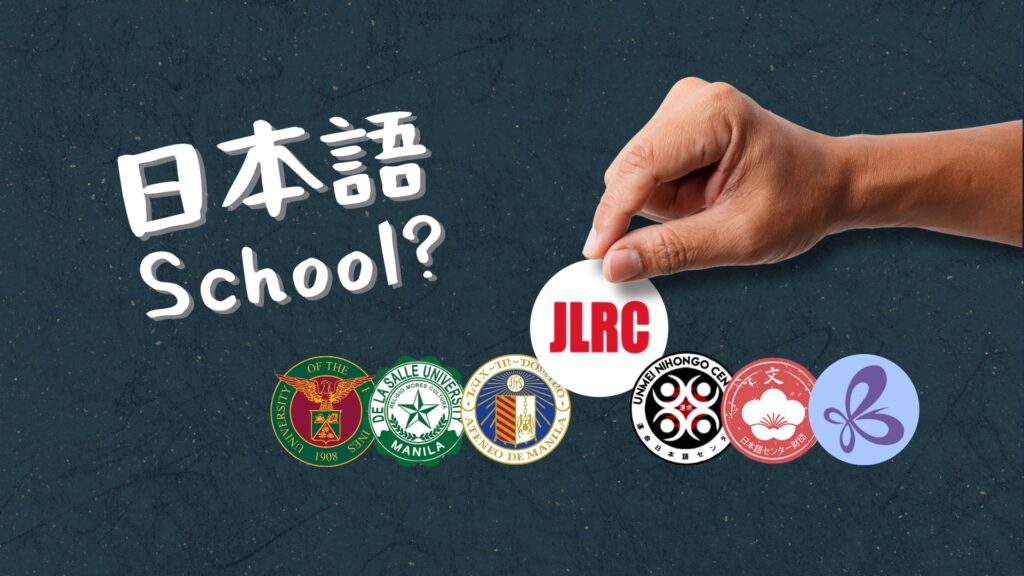
Choosing the best Japanese language school in the Philippines can be challenging. With many Nihongo classes available—both online and in-person—schools differ in pricing, teaching approach, materials, and level of JLPT preparation.
For many learners, studying Japanese is more than a hobby. It is a practical step toward passing the JLPT, qualifying for jobs related to Japan, preparing for study abroad, or building a long-term skill. Choosing the right learning environment is therefore important.
Not all schools are designed the same way. Some prioritize flexibility, while others focus on structured learning with clear progression toward goals such as JLPT certification.
There is no single perfect school for everyone. The best choice depends on your goals, schedule, and learning style.
Learning efficiency is often overlooked. While flexibility matters, the ability to make steady progress in less time can significantly impact results. A well-structured program with optimized materials helps learners reach their goals faster.
In this guide, we compare the top Japanese language schools in the Philippines based on pricing, JLPT coverage, flexibility, materials, support, and overall value.
Table of Contents
- > How We Evaluated These Japanese Language Schools
- > Comparison of Japanese Language Schools in the Philippines
- > JLRC (Japanese Language Research Center) — Best Overall
- > Nihongo Center Foundation
- > University-Affiliated Japanese Language Programs
- > Unmei Nihongo Center
- > The Japan Foundation, Manila
- > Online Platforms (Other Options)
- > Which Japanese Language School Should You Choose?
- > Frequently Asked Questions
- > Conclusion
How We Evaluated These Japanese Language Schools
To ensure a fair and useful comparison, the following evaluation criteria were used:
- JLPT Course Coverage – Availability of levels (N5–N1) and structured progression
- Learning Efficiency – Ability to help learners progress in less time
- Flexibility – Adaptability of schedule and learning format
- Learning Support – Access to materials, review systems, and guidance
- Learning Materials – Quality and structure of textbooks and resources
- Overall Value – Balance between cost, quality, and learning outcomes
Ratings such as Flexibility, Support, and Overall are based on editorial evaluation using publicly available information, program structure, and learning system features.
Comparison of Japanese Language Schools in the Philippines
| School | Price Range (PHP) | JLPT Courses | Materials | Flexibility | Learning Support | Overall | Remarks |
|---|---|---|---|---|---|---|---|
| 21k - 45k | N5 - N1 | Original JLRC - developed materials | ★★★★ | ★★★★★ | ★★★★ | Best for structured and efficient Japanese learning with strong JLPT support | |
| 35k - 53k | N5 - N2 | Standard textbooks (e.g. Minna no Nihongo) | ★★ | ★★★★ | ★★★ | Suitable for traditional classroom learning | |
|
Varies | Varies | Academic materials | ★★ | ★★★ | ★★★ | Best for students in academic programs |
| 21k - 56k | N5 - N2 | Standard textbooks (e.g. Genki) | ★★★ | ★★★ | ★★★ | General JLPT-based program using standard materials | |
| Low | Limited | Institution-developed materials | ★★ | ★★★ | ★★★ | Good for cultural exposure and short-term study | |
|
Low | Limited | Varies by tutor/platform | ★★★★★ | ★★ | ★★ | Flexible but requires self-directed learning |
This table compares Japanese language schools in the Philippines based on pricing, JLPT levels, materials, flexibility, and support.
 Explore JLRC Japanese Courses (JLPT N5–N1)

JLRC (Japanese Language Research Center)
Founded in 2001, JLRC is one of the most established Japanese language schools in the Philippines, with over 16,000 learners trained both locally and internationally.
JLRC is recognized for its structured JLPT-focused curriculum, covering levels from beginner (N5) to advanced (N1). It is a strong option for learners aiming to pass the JLPT, while also building practical Japanese skills for work, study, or everyday use.
A key strength of JLRC is its focus on learning efficiency. Through structured lessons, optimized materials, and a clear progression system, learners can understand and retain concepts more effectively, allowing steady progress in less time. The program also incorporates flexibility through systems such as Leave of Absence (LOA) and Class Transfer, making it suitable for learners with changing schedules..
As with any structured program, consistent attendance and active participation are important to achieve the best results.
Key Features
- Original JLRC-developed materials designed for structured JLPT progression
- Start Today Modular Method (STMM) enabling faster start and efficient learning
- Flexible systems such as Leave of Absence (LOA) and Class Transfer (FCTS)
- Access to review videos and student portal learning resources
Learning Assurance and Guarantee
- 100% money-back guarantee (before second session)
- Free JLPT retake for N5–N4 (subject to attendance conditions)
These policies reduce risk and provide confidence for learners starting their Japanese language journey.
Tuition Php 21,000 – Php 45,000 (N5-N1)
👉 Best for:
Learners seeking efficient JLPT preparation while also developing practical Japanese skills.
Learn more about JLRC Japanese Courses (N5–N1)
See JLRC Japanese Learning Materials

Nihongo Center Foundation
Nihongo Center Foundation is one of the longest-established Japanese language institutions in the Philippines. It is known for its traditional classroom-based teaching approach.
The program focuses on structured learning within a formal classroom setting. Students typically follow a fixed schedule and progress together as a group, which can help maintain consistency and discipline.
This structured approach may require a steady time commitment, depending on the learner’s schedule and preferred pace of study.
Key Features
- Traditional classroom-based instruction
- Structured curriculum and progression
- Long institutional history
Tuition Php 35,000 – Php 53,000 (N5-N2)
👉 Best for:
Learners who prefer a traditional and disciplined classroom environment.

University-Affiliated Programs
Several universities in the Philippines offer Japanese language programs as part of their academic curriculum.
These programs follow a semester-based structure and provide access to academic resources such as libraries and language labs. They are designed to complement academic studies rather than serve as intensive language training programs.
This format is best suited for students within the university system and may be less flexible for working professionals or independent learners.
Key Features
- Academic learning environment
- Semester-based progression
- Access to university facilities
👉 Best for:
Students who want to study Japanese as part of a formal academic program.

Unmei Nihongo Center
Unmei Nihongo Center offers Japanese language courses that include JLPT-focused content, typically using widely recognized textbooks such as Genki.
The program follows a textbook-based approach combined with instructor-led classes. This provides a familiar structure for learners who are comfortable using standard materials.
The learning experience may vary depending on course design and teaching style, making it important for learners to choose a program that fits their preferred learning approach.
Key Features
- JLPT courses (N5–N2)
- Use of standard textbooks such as Genki
- Includes communication practice elements
Tuition Php 21,000 – Php 56,000 (N5-N2)
👉 Best for:
Learners looking for a general Japanese language program that includes JLPT preparation.

The Japan Foundation, Manila
The Japan Foundation focuses on promoting Japanese language and culture through various programs.
Its courses often emphasize cultural exposure alongside language learning, which differentiates it from structured JLPT-focused programs.
These programs are generally designed for shorter-term learning and may be more suitable for learners interested in cultural understanding.
Key Features
- Cultural and language programs
- Short-term course structure
- Institution-developed materials
👉 Best for:
Learners interested in Japanese culture and introductory language study.
Online Nihongo Platforms
Online platforms provide flexible Japanese learning options that can be accessed from anywhere.
These platforms offer a wide range of instructors and schedules, making them convenient for learners with busy lifestyles. Some platforms also provide 24/7 lesson availability.
However, the learning experience can vary significantly depending on the instructor. Learners may need to take more responsibility for managing their own progress and study plan.
Key Features
- Flexible scheduling and accessibility
- Wide range of instructors
- Online learning convenience
👉 Best for:
Learners prioritizing flexibility and convenience.
Which Japanese Language School Should You Choose?
- Choose JLRC for structured and efficient Japanese learning
- Choose NCF for traditional classroom-based learning
- Choose universities for academic study
- Choose Unmei for general JLPT-based programs
- Choose online platforms for flexible learning
Frequently Asked Questions
1. What is the best Japanese language school in the Philippines?
JLRC, an established Japanese language school in the Philippines, is widely considered one of the strongest options due to its structured learning system, efficient progression, and flexible study options, while other schools may offer different strengths depending on their teaching approach and learning environment.
2. How much does a Japanese language course cost in the Philippines?
Most Japanese language courses range from Php 20,000 to Php 50,000 depending on the school, course level, and program structure.
3. Can I study Japanese online in the Philippines?
Yes, many Japanese language schools offer online or hybrid classes, allowing learners to study from anywhere with flexible scheduling options.
4. Which school is best for JLPT preparation?
JLRC is one of the strongest options for JLPT preparation due to its structured curriculum and clear progression from N5 to N1. Other schools may also offer JLPT-focused programs depending on their approach.
5. How long does it take to learn Japanese?
This depends on your study pace and consistency. With structured learning and regular practice, most learners can reach basic proficiency within a few months.
6. What level should beginners start with?
Most beginners start with JLPT N5, which focuses on basic grammar, vocabulary, and simple communication skills.
7. Is Japanese difficult to learn?
Japanese can be challenging at first, especially with writing systems such as Hiragana, Katakana, and Kanji. However, with structured lessons and consistent practice, learners can steadily improve over time.
Conclusion
Choosing the right Japanese language school depends on your goals, schedule, and preferred learning style.
Among the available options, JLRC stands out as one of the most well-rounded choices, particularly for learners who want to achieve steady progress in less time while maintaining flexibility. At the same time, each school offers different strengths, and the best choice ultimately depends on your individual needs.
👉 Get Class Details (class schedule, tuition and payment terms)
👉 Explore JLRC Japanese Courses




Copyright © 2026 JLRC Inc.
All Rights Reserved
For international students, you may visit our Learn Japanese Online page.
For inquiries, you may call us at (63)2-7358-0565 or (63)917-163-3371
Japanese Language Research Center
Unit 506 Cityland Shaw Tower, Shaw Blvd, Mandaluyong, 1552 Metro Manila, Philippines
For international students, you may visit our Learn Japanese Online page.
For inquiries, you may call us at (63)2-7358-0565 or (63)917-163-3371
Japanese Language Research Center
Unit 506 Cityland Shaw Tower, Shaw Blvd, Mandaluyong, 1552 Metro Manila, Philippines
Copyright © 2026 JLRC Inc.
All Rights Reserved